Books / The Salt Year
The Salt Year
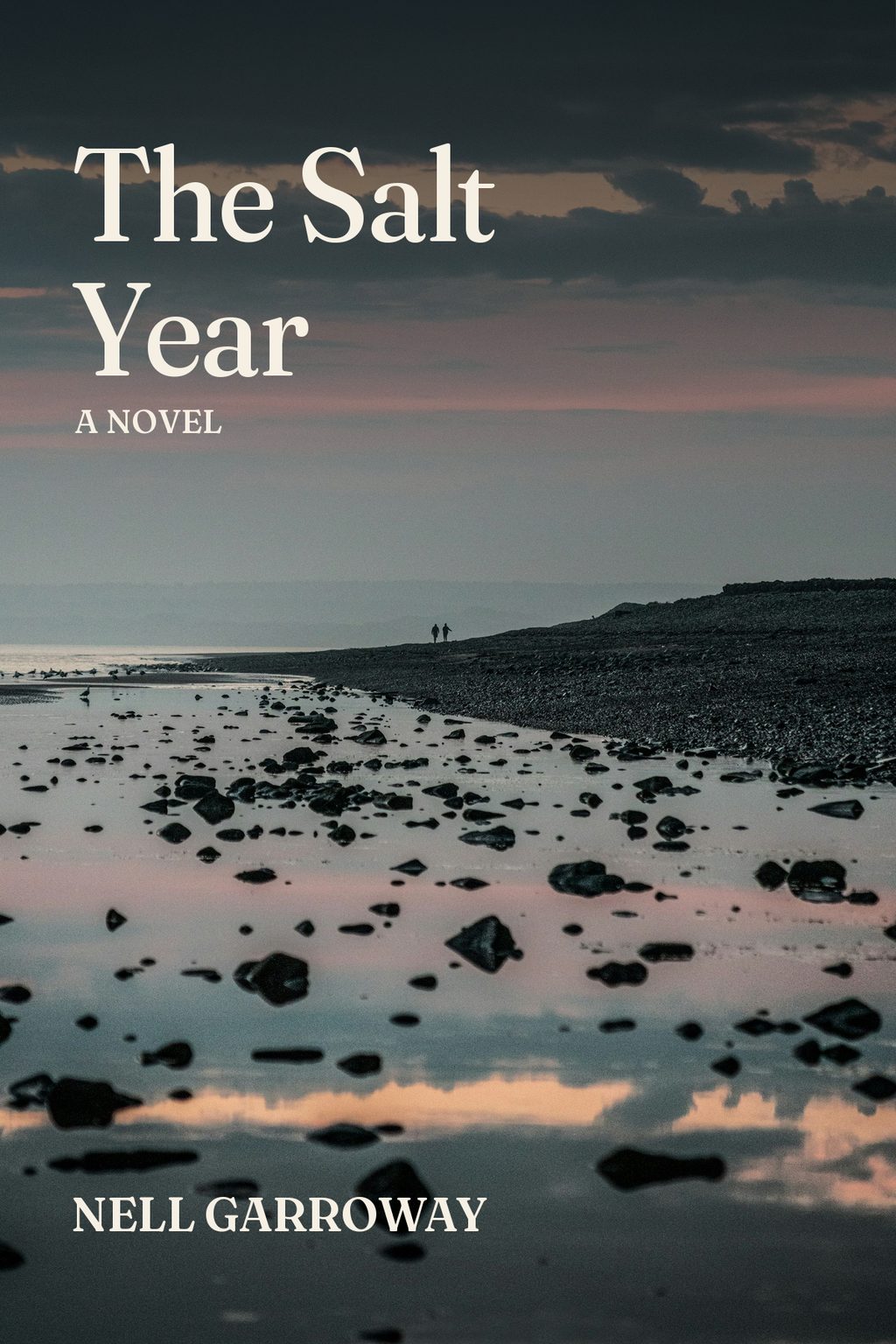
Published 2018. A woman goes back to the salt marsh where her brother went missing, for one year, to sell the house.
Sale No sale from Today until No end date
A first name is plenty. Leave it blank for my signature alone.
Posted from Ibadan within two working days. Delivery prices are at the foot of every page; returns within 30 days.
Read the first pagesReading group guideEvery edition and other shops
Every edition
Paperback
ISBN 978-1-9990-4031-9
Published 6 June 2019
Ebook
ISBN 978-1-9990-4032-6
All the usual ebook shops
Audiobook
ISBN 978-1-9990-4033-3
Read by Maeve Collier; 8 hrs 20 min
Tenth-anniversary edition
ISBN 978-1-9990-4034-0
Coming July 2028, with a new preface
Also at your local bookshop, Hollin Street Books, Hatchway Books and Larkspur & Lowe; the ebook from Paperlane and the audiobook from Earshot Audio. Shop names are samples.
About the book
Anna Dyer has not been back to Saltfleet since the summer she was fifteen, when her brother walked out across the marsh at low tide and did not come back. Now her father is dead, the house is hers, and the estate agent says it will take a year to sell.
So she stays. Through a year of tides and seasons, salt pans and sea lavender, Anna gets to know the village that knew her family better than she did, and begins, slowly, to understand what happened that summer, and what has been happening ever since.
My first novel is a story of place and memory, of the stories villages tell about themselves, and of the long work of coming home.
Reviews
“An astonishing debut. The marsh is so vivid you can taste the salt.”
“Patient, precise and haunting. A writer to watch.”
“I have pressed this book on everyone I know.”
“Few first novels arrive this sure of their own voice.”
The first pages
The marsh did not have an edge so much as an argument. Twice a day the sea came in and made its case, and twice a day the land took the floor again, and in between there were hours when nobody, not even the people who had lived there all their lives, could have told you which was winning.
Anna stood at the end of the lane with her case and her father’s keys and the estate agent’s card in her coat pocket, and she found that she was counting. One, two, three creeks; the white post; the pan where the samphire grew. She had not thought about any of it for twenty years. She had not needed to. It had been there all along, waiting, like a tide table she had learned by heart.
The house was smaller than she remembered, which everyone said happened, and colder, which nobody had warned her about.
The extract ends here. Buy the book
Reading group guide
Questions for discussion. The PDF has them all, with a note from me on how the book began.
- The marsh is described as an argument between land and sea. Where else in the novel does that argument appear?
- Why does Anna stay the full year when she could leave the sale to the agent?
- How do the villagers’ stories about Tom differ from Anna’s memories, and whose do you believe?
- What does the salt itself come to mean by the end?
- Is the ending hopeful? Why, or why not?
- Anna counts the creeks when she arrives. What else does she count, and what does counting do for her?